









- Book return flights to Switzerland from £116
- Fly direct from the UK to Geneva & Zurich with SWISS
- Connecting flights to destinations across Europe & beyond
Switzerland weather by month
Check out Switzerland weather averages by month. Compare detailed monthly climate statistics including temperature, rainfall and sunshine figures.
| Jan | Feb | Mar | Apr | May | Jun | Jul | Aug | Sep | Oct | Nov | Dec | |
|---|---|---|---|---|---|---|---|---|---|---|---|---|
| Maximum daytime temperature °C |  2 2 |
 4 4 |
 8 8 |
 12 12 |
 16 16 |
 20 20 |
 22 22 |
21 |
18 |
13 |
7 |
3 |
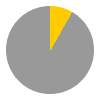
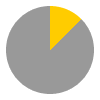
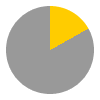
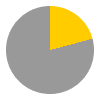
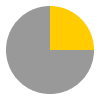
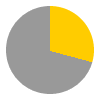
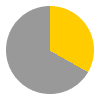
| Hours of sunshine (daily) | ||||||||||||
| Days with some rainfall |  15 15 |
14 |
15 |
 16 16 |
18 |
17 |
15 |
16 |
13 |
13 |
14 |
14 |
More about Switzerland
Switzerland by month
Jan Feb Mar Apr May Jun Jul Aug Sep Oct Nov Dec
Recommended for Switzerland
 Low fare finder
The climate guide for Switzerland (Bern) shows long term monthly weather averages processed from data supplied by CRU (University of East Anglia), the Met Office & the Netherlands Meteorological Institute. Find out more about our data sources.
Switzerland climate overview
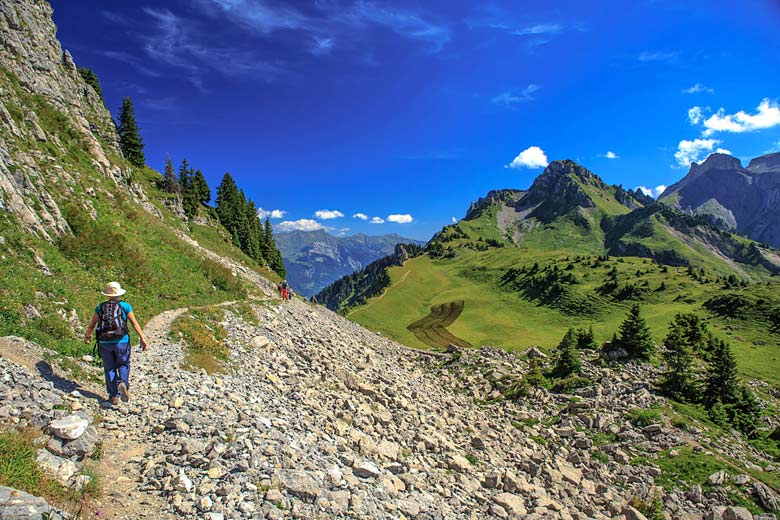
Although a small country, Switzerland has a remarkably varied climate, shaped largely by its high mountains and complex topography.
The main mountain range in Switzerland is the Alps in the south, while the much smaller Jura Mountains in the north straddle the border with France. Between the two is the Swiss Plateau, or Mittelland, a relatively low-lying area flanked by Lake Geneva to the west and Lake Konstanz to the east.
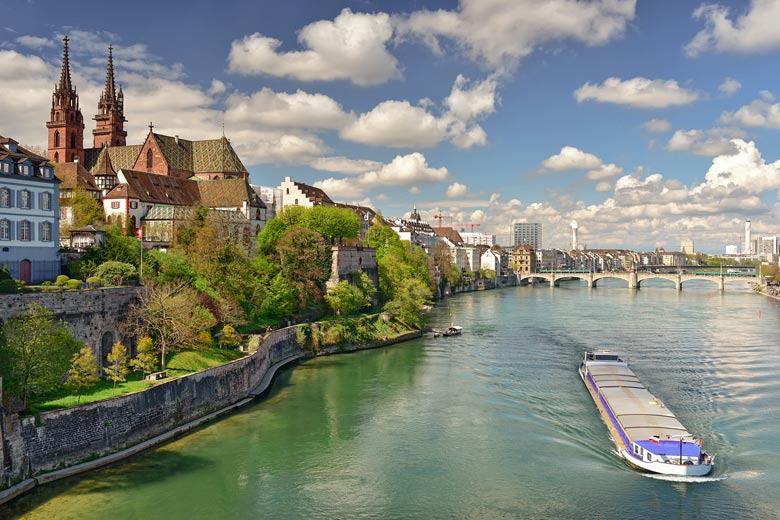
This is where most of the country's inhabitants live. It covers about 30% of the country's total area and is home to the major cities of Geneva, Lausanne, Bern and Zurich.
The plateau region has a moderately wet climate with slightly more rainfall in summer than in winter, partly due to the frequency of summer thunderstorms. Summers are warm, and though winters can be cold, they are rarely severely cold. However, fog often blankets the lower-lying areas from November to February, which can persist for days, resulting in long periods with little or no sun.
To the northwest of the plateau, the Jura Mountains are a sub-alpine range known for their dramatic limestone landscapes and dense pine forests. They are not especially high, but the climate here is cooler and wetter than on the plateau. The region is more exposed to Atlantic weather systems, which means it is generally cloudier in summer than on the plateau. It also gets more snow in winter but is less affected by fog than on the plateau.
In the south of the country, which is dominated by the Alps, there are three distinct climate zones. The first is on the northern slopes of the mountains. The second is along the inner valleys, which in Switzerland are extensive, and the third is on the southern side of the mountains, a small area in the canton of Ticino.
Over 60% of Switzerland lies in the Alps, making it by far the largest region in the country and home to the tallest mountains. While the Jura Mountains barely rise above 1,600 metres, the Alps have numerous peaks over 4,000 metres. And it is these very mountains, with their dramatic peaks, picturesque villages, and year-round outdoor activities, that are the main attraction.
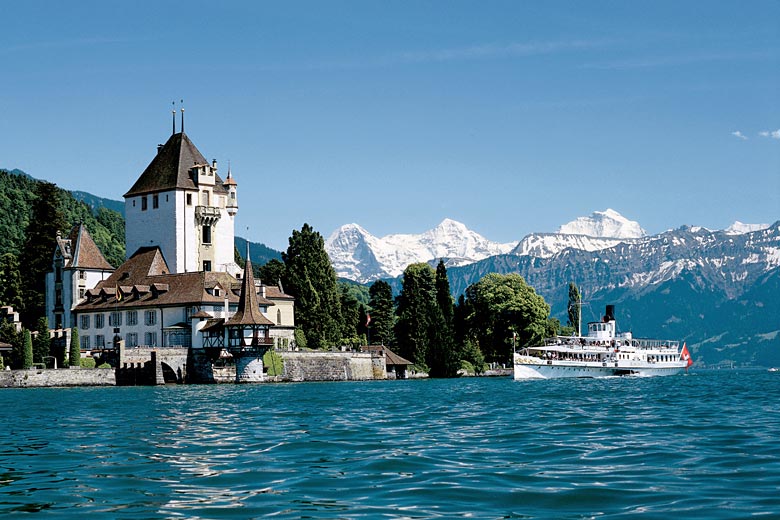
The climate of cities on or near the northern slopes of the Alps, such as Interlaken, Lucerne and St Gallen, is affected by the presence of the mountains because, as weather systems approach, usually from the west or northwest, moist air is forced to rise over the mountains. As the air rises, it expands and cools, eventually releasing its moisture either as rain or snow.
So, summers on the northern slopes are both cooler and wetter than on the plateau, and in winter, there is a lot more snow. More snow is good if you are planning to ski at Gstaad, Wengen or Grindelwald. However, in the summer, there is less sunshine here on the northern slopes than at mountain resorts further south in the inner-alpine region.
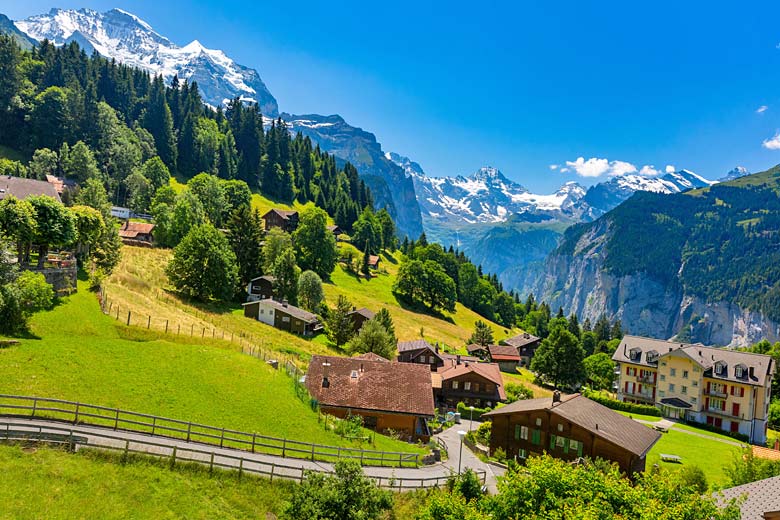
Along these inner valleys, Switzerland has some of its finest and sunniest weather. This is because weather systems from the Atlantic lose most of their moisture by the time they reach the mountains and valleys. Example towns here include Sion and Chur, and resorts such as Davos, St Moritz and Zermatt. Sion has half the annual rainfall and snow of Interlaken on the northern slopes, for example, though the two places are less than 40 miles apart.
However, one caveat is probably needed. In confined low-lying valleys in winter, cold air, which is heavier than warm air, can sink and become trapped by overlying relatively warm air. This is called a 'temperature inversion', which leads to low cloud and fog in the valleys while higher elevations on the surrounding mountains can be bathed in sunshine.
Finally, there is one region in the far south of Switzerland on the southern slopes of the Alps where conditions throughout the year are slightly different again. It is the only region where the border with Italy does not follow the main Alpine ridge and actually reaches within two miles of the city of Como. It includes parts of Lake Maggiore and Lake Lugano, where the city of Lugano is located.
Here, the climate is influenced mainly by weather systems originating in the Mediterranean. Winters are much milder than elsewhere in Switzerland, and summers are generally much warmer, similar to conditions on the northern plains of Italy, so it can be hot and humid.
Also, as in the case of the northern slopes of the Alps, if moist air blows in from the south, it is forced to rise over the northern mountains, which usually produces a lot of rain. So from April to November, it can be very wet at times. But rest assured, this is also one of the sunniest places in Switzerland in summer.
What to pack for Switzerland weather
Always be prepared for rain in Switzerland, especially in the lakeland district. Complement summer lightweights with warm jackets and wrap up well in the winter. Take ski-wear for the mountains.
Top Switzerland destinations
Below are average maximum temperatures at popular countries, regions and places in Switzerland for next month - October. Select a destination to see the climate guide for all months of the year.
All Switzerland regions
All Switzerland destinations
- Basel
- Bern
- Geneva
- Interlaken
- Lausanne
- Locarno
- Lugano
- Luzern
- Montreux
- Neuchatel
- St Gallen
- St Moritz
- Zermatt
- Zurich
Switzerland weather averages
Temperature in Switzerland (°C)
| Jan | Feb | Mar | Apr | May | Jun | Jul | Aug | Sep | Oct | Nov | Dec | |
|---|---|---|---|---|---|---|---|---|---|---|---|---|
| Max temperature (daytime) | 2 |
4 |
8 |
12 |
16 |
20 |
22 |
21 |
18 |
13 |
7 |
3 |
| Min temperature (night-time) |  -4 -4 |
-3 |
-1 |
3 |
7 |
10 |
12 |
11 |
9 |
5 |
1 |
-3 |
| Heat & Humidity |  0 0 |
0 |
0 |
0 |
0 |
0 |
0 |
0 |
0 |
0 |
0 |
0 |
Note: 0 = None, L = Low, M = Moderate, H = High, VH = Very high, E = Extreme
Sunshine & UV index in Switzerland
| Jan | Feb | Mar | Apr | May | Jun | Jul | Aug | Sep | Oct | Nov | Dec | |
|---|---|---|---|---|---|---|---|---|---|---|---|---|
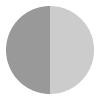
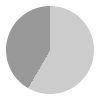
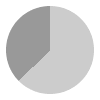
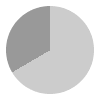
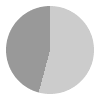
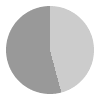
| Daily hours of sunshine | ||||||||||||
| Daily hours of daylight |  9 9 |
 10 10 |
 12 12 |
 14 14 |
 15 15 |
 16 16 |
15 |
14 |
 13 13 |
 11 11 |
9 |
9 |
| UV Index (Maximum) |  1 1 |
2 |
 3 3 |
5 |
 7 7 |
 8 8 |
8 |
7 |
5 |
3 |
1 |
1 |
Rainfall in Switzerland
| Jan | Feb | Mar | Apr | May | Jun | Jul | Aug | Sep | Oct | Nov | Dec | |
|---|---|---|---|---|---|---|---|---|---|---|---|---|
| Number of days with some rain | 15 |
14 |
15 |
16 |
18 |
17 |
15 |
16 |
13 |
13 |
14 |
14 |
| Average monthly rainfall (mm) | 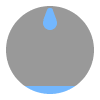 69 69 |
66 |
61 |
69 |
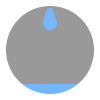 81 81 |
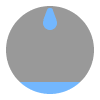 106 106 |
95 |
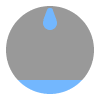 121 121 |
80 |
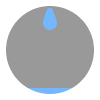 57 57 |
85 |
69 |
Compare Switzerland weather with the UK
The weather chart below compares the average monthly maximum daytime temperature for Switzerland (Bern) and the UK (London).
Maximum daytime temperature (°C)
Switzerland (Bern)
UK (London)
Jan
Feb
Mar
Apr
May
Jun
Jul
Aug
Sep
Oct
Nov
Dec
Metric (°C / mm) | Imperial (°F / inches)
More about Switzerland

Be inspired
Get your weekly fix of holiday inspiration from some of the world's best travel writers plus save on your next trip with the latest exclusive offers
We promise not to share your details
Related posts
Popular travel offers


Explore holiday destinations
- Beach holidays
- City breaks
- Family holidays
- Half term holidays
- Spring holidays
- Summer holidays
- Autumn holidays
- Winter sun holidays
- Honeymoons
- Coolcations
- Compare places
- Ski resorts
Save with latest deals & discounts
- Holiday offers
- Top travel brands
- Airlines & flights
- Discount hotels
- TUI
- Jet2holidays
- Neilson
- Marella Cruises
- Holiday Extras
- Pierre & Vacances
- Caledonian Travel
- Club Med
Airport parking
- Manchester Airport
- Stansted Airport
- Bristol Airport
- Luton Airport
- Birmingham Airport
- Edinburgh Airport
- Gatwick Airport
- Glasgow Airport
- Newcastle Airport
Airport lounges
- Manchester Airport
- Birmingham Airport
- Bristol Airport
- Edinburgh Airport
- Glasgow Airport
- Heathrow Airport
- Newcastle Airport
- Stansted Airport
- Gatwick Airport